Lawn Care Blog

Expert tips and seasonal advice for East Texas lawns

Latest Articles

Professional insights to help you maintain a healthy, beautiful lawn

Professional gardener spreading fertilizer on a healthy green lawn in spring

Spring Lawn Care Preparation: Getting Your Yard Ready for Growing Season

Published March 15, 2024 | By Vacationers Lawn Care Team

As winter fades and temperatures begin to warm in East Texas, it's time to start thinking about your lawn's preparation for the upcoming growing season. Spring is the most critical time for establishing a healthy, vibrant lawn that will thrive throughout the summer months.

Essential Spring Lawn Care Steps

1. Clean-Up and Assessment

Start by removing any debris, fallen leaves, and dead grass that accumulated over the winter months. This clean-up allows you to assess your lawn's current condition and identify areas that may need special attention.

2. Soil Testing and Preparation

East Texas soils are often acidic, which can affect grass growth. Consider having your soil tested to determine pH levels and nutrient needs. Most warm-season grasses in our area prefer a pH between 6.0 and 7.0.

3. Fertilization Strategy

Apply a slow-release fertilizer in early spring when grass begins to green up. For Bermuda and St. Augustine lawns, use a fertilizer with a 3-1-2 or 4-1-2 ratio (nitrogen-phosphorus-potassium). This provides the nutrients needed for vigorous spring growth.

4. Pre-Emergent Weed Control

Apply pre-emergent herbicides before weed seeds germinate. This is typically around late February to early March in East Texas. Pre-emergent products create a barrier that prevents weeds like crabgrass and foxtail from establishing.

5. Proper Mowing Height

As you begin regular mowing, set your blade height appropriately. For most warm-season grasses, maintain a height of 2.5-3 inches. Avoid cutting more than one-third of the grass blade length at any single mowing.

Common Spring Lawn Problems

Watch for signs of lawn diseases like brown patch, which can appear during cool, wet spring weather. Also monitor for insect activity, particularly grub worms that feed on grass roots. Early detection and treatment can prevent significant damage.

Professional Tip

Remember that consistent, proper care throughout the growing season is more effective than attempting to repair extensive damage later. A proactive approach to spring lawn care sets the foundation for a healthy lawn year-round.
Close-up view of a green lawn sprinkler system watering grass in the morning sun

Summer Lawn Care Essentials: Keeping Your Grass Green in Texas Heat

Published May 20, 2024 | By Vacationers Lawn Care Team

Texas summers can be brutal on lawns, with temperatures often soaring above 100°F and minimal rainfall. However, with the right strategies, you can maintain a beautiful, healthy lawn even during the hottest months of the year.

Smart Watering Practices

Timing is Everything

Water your lawn early in the morning, between 4:00 AM and 8:00 AM. This timing allows water to soak into the soil before evaporation occurs and prevents the development of fungal diseases that thrive in moist, warm conditions.

Deep and Infrequent Watering

Rather than frequent light watering, aim for deep, thorough watering that soaks 6-8 inches into the soil. This encourages deeper root growth and creates a more drought-resistant lawn. Most lawns need 1-1.5 inches of water per week, including rainfall.

Monitor Soil Moisture

Use a soil probe or simply push a screwdriver into the ground. If it goes in easily to 6-8 inches, your soil has adequate moisture. If it's difficult to push or the soil feels dry, it's time to water.

Summer Fertilization Schedule

Continue fertilizing throughout summer, but be careful not to over-apply nitrogen during the hottest periods. Use slow-release fertilizers and consider organic options that provide nutrients more gradually. For St. Augustine and Bermuda lawns, apply fertilizer every 6-8 weeks during the growing season.

Pest and Disease Management

Summer is prime time for lawn pests and diseases. Watch for signs of chinch bugs in St. Augustine grass, which appear as yellowing areas that don't respond to watering. Also monitor for fungal diseases that can develop in hot, humid conditions.

Mowing Height

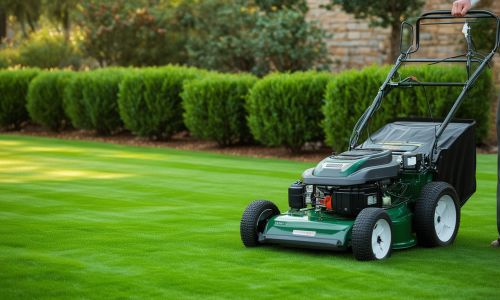
Raise mower blade to 3-3.5 inches during summer to help grass retain moisture and develop deeper roots.

Sharp Blades

Keep mower blades sharp to prevent tearing grass blades, which can lead to stress and disease.

Heat Stress Prevention

Avoid heavy activity on your lawn during the hottest part of the day. If you notice grass blades folding or wilting, it's showing signs of heat stress. While this is normal during extreme heat, consistent proper watering and maintenance will help your lawn recover more quickly when temperatures moderate.


Beautiful autumn lawn with golden yellow and brown leaves scattered on green grass

Fall Lawn Care: Preparing Your Grass for Winter Dormancy

Published September 10, 2024 | By Vacationers Lawn Care Team

Fall is often overlooked in lawn care, but it's actually one of the most important seasons for preparing your grass to survive winter and thrive next spring. The work you do now will determine how well your lawn comes through the cold months and how vigorously it grows when warm weather returns.

Fall Fertilization: Building Winter Reserves

Apply a fall fertilizer with higher potassium content to help grass develop cold tolerance and disease resistance. This final fertilization of the growing season is crucial for root development and energy storage that grass will use during winter dormancy.

Leaf Management

Regularly remove fallen leaves from your lawn. While a thin layer of leaves can provide some protection, thick accumulations can smother grass and promote fungal diseases. Use a mulching mower when possible to return nutrients to the soil.

Last Chance for Weed Control

Fall is an excellent time for broadleaf weed control. Weeds like dandelions and clover are actively storing energy for winter, making them more susceptible to herbicide treatment. Apply herbicides on calm days when temperatures are between 65-75°F for best results.

Aeration and Overseeding

If your lawn has compacted soil or thin areas, fall is the ideal time for aeration and overseeding. Core aeration relieves soil compaction and allows better water and nutrient penetration. Overseeding helps fill in bare spots and improves overall lawn density.

Timing Note for East Texas

Since our winters are relatively mild, warm-season grasses (Bermuda, St. Augustine) remain somewhat active longer than in northern climates. This means fall care can extend well into October and early November in our area.

Equipment Winterization

Don't forget to prepare your lawn care equipment for winter storage. Clean mowers, sharpen blades, change oil, and store fuel properly. This maintenance ensures your equipment will be ready when spring arrives and extends the life of your investment.

Need Professional Lawn Care?

Our expert team handles all seasonal lawn care tasks to keep your property looking its best year-round.

Get Your Free Quote